
Hypertension

Hypertension
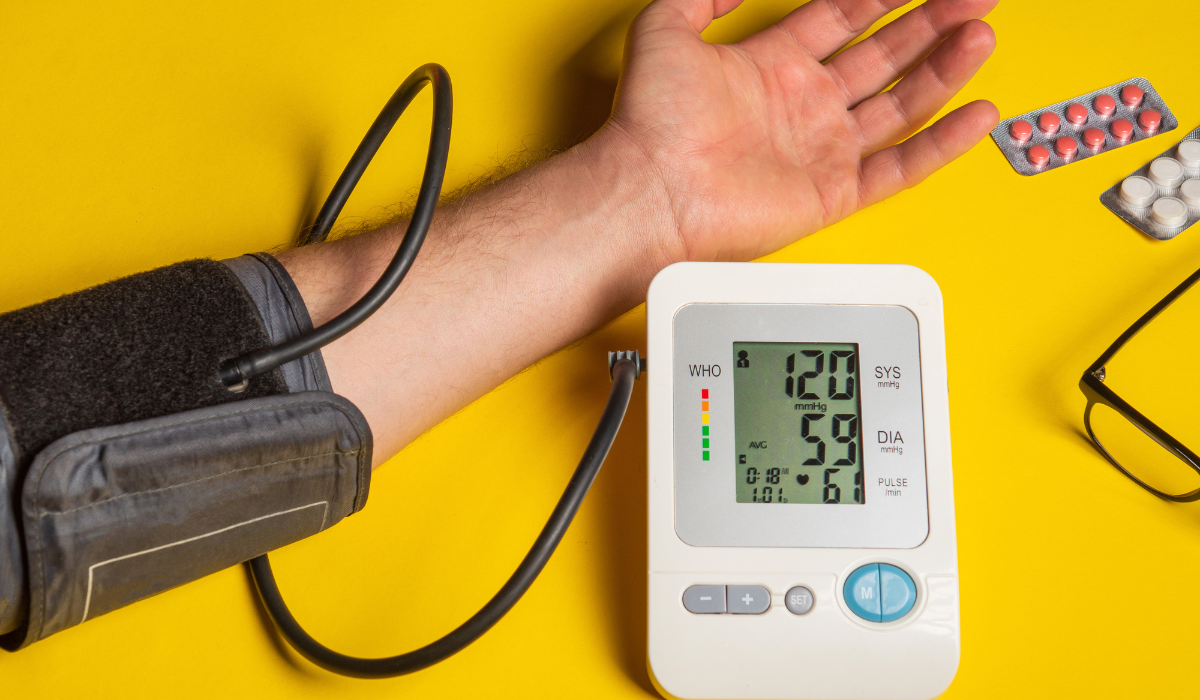
When arterial Blood Pressure remains high over time, hypertension develops. Blood pressure is measured using two numbers: systolic (pressure during heartbeats) and diastolic (pressure when the heart rests). A reading of 140/90 mmHg or higher is generally considered hypertension. Without proper Hypertension Treatment, high Blood Pressure can damage blood vessels and organs over time, leading to serious health risks.
Symptoms of Hypertension
Hypertension is often called a “silent killer” because it usually has no symptoms. However, some individuals may experience:
-
Severe headaches
Persistent headaches, especially in the morning, can indicate high blood pressure.
-
Fatigue or confusion
Unusual tiredness or confusion may signal untreated hypertension.
-
Chest pain
Any chest pain may indicate a hypertensive crisis, requiring immediate medical attention.
Causes of Hypertension:
Several factors can contribute to hypertension, including:
Prevention of Hypertension
Preventing hypertension involves adopting heart-healthy habits. Effective strategies include: