
Infectious Diseases


Infectious Diseases
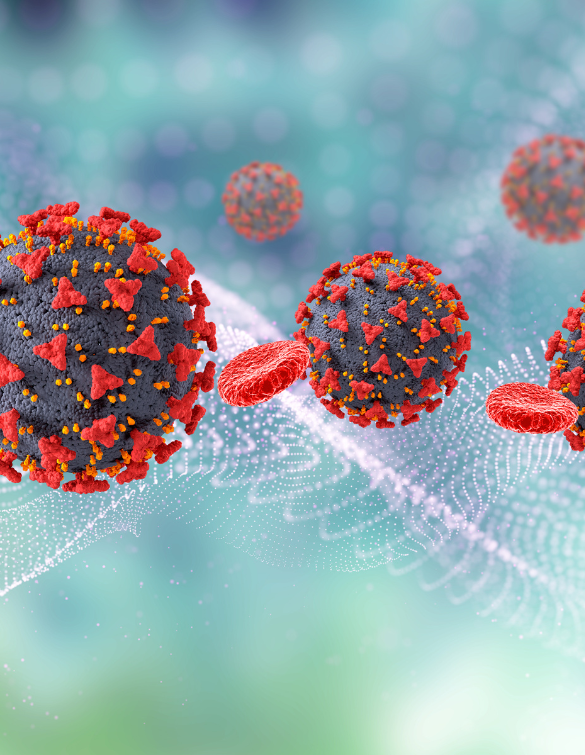
Infectious diseases are caused by microorganisms such as bacteria, viruses, fungi, or parasites. They can be transmitted from person to person, through contaminated food or water, insect bites, or environmental exposure. Early diagnosis and prompt treatment are essential to control the spread and severity of infections.
Symptoms of Infectious Diseases
Symptoms vary depending on the type of infection but can include:
-
Fever and chills
A common indicator that the body is fighting off an infection.
-
Fatigue and weakness
The immune response often leads to tiredness and low energy.
-
Coughing or sneezing
Common with respiratory infections like flu, COVID-19, or pneumonia.
Causes of Infectious Diseases
Infectious diseases are caused by pathogens—harmful microorganisms that invade the body and trigger illness. These pathogens can spread through multiple routes and affect different organ systems. Below are the main causes:
Preventions for Infectious Diseases
Preventing infectious diseases involves a combination of healthy habits, hygiene, vaccinations, and environmental awareness. Following these preventive measures can significantly reduce the risk of infections for individuals and communities.